All Categories
Featured
The smart Trick of How to Contact APFSC with Your Financi...
A Biased View of Maintaining Post-Bankruptcy Budget That ...
Unknown Facts About How to Reach Online vs Phone Bankrupt...

Unknown Facts About Your Legal Protections When Receiving...
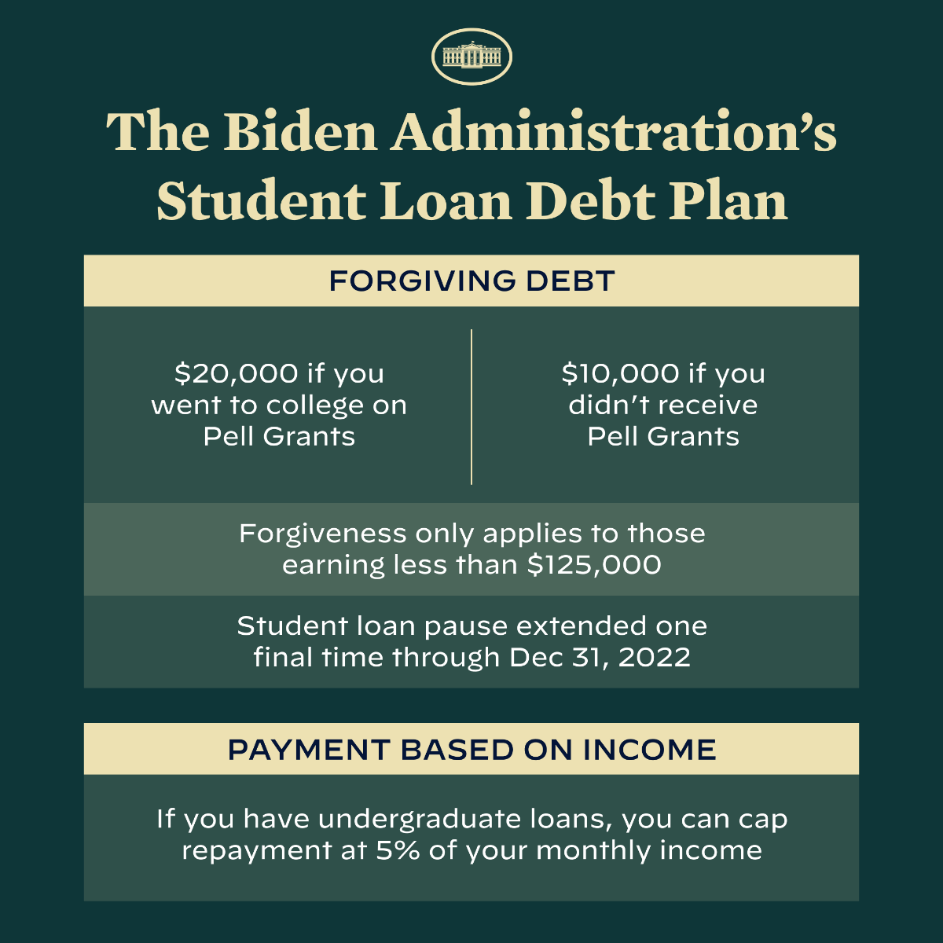
Navigating Financial Debt Forgiveness: What Consumers Need To Know Before Selecting a Relief Program
Table of Contents
- – The Growing Demand for Financial Obligation Al...
- – Comprehending How Financial Debt Mercy In Fact...
- – Insolvency Therapy: Needed Steps and Offered S...
- – Contrasting Nonprofit Suppliers: What Differen...
- – Financial Debt Administration Program: The Hap...
- – Red Flags and Caution Signs in Debt Alleviation
- – Tax Obligation Effects of Forgiven Financial O...
- – Making the Decision: Which Path Forward
- – The Course Toward Financial Healing
Financial hardship rarely announces itself pleasantly. One unexpected clinical bill, a sudden job loss, or just the steady build-up of high-interest credit report card balances can change manageable regular monthly settlements into a frustrating problem. For numerous Americans carrying five-figure financial debt tons, recognizing the distinctions between financial debt forgiveness programs, personal bankruptcy counseling, and financial debt management plans has ended up being crucial understanding.
The Growing Demand for Financial Obligation Alleviation Solutions
Customer debt degrees continue climbing up across the USA, pushing even more families toward seeking expert aid. The financial obligation alleviation industry has actually increased correspondingly, producing a complicated market where differentiating genuine aid from potentially unsafe solutions needs mindful analysis.
Nonprofit credit score counseling firms have become a safer choice to for-profit financial obligation negotiation companies, which customer security companies regularly warn against. These nonprofits usually run under federal and state guidelines needing transparent cost structures, complimentary initial examinations, and academic parts together with straight intervention solutions.
Organizations authorized by the U.S. Department of Justice to offer credit report counseling should meet details standards, using consumers some guarantee of authenticity. Names like Cash Monitoring International, InCharge Debt Solutions, and American Pacific Financial Providers Corp (APFSC) stand for established gamers in this space, each offering variations on core financial obligation relief solutions while keeping not-for-profit standing.
Comprehending How Financial Debt Mercy In Fact Works
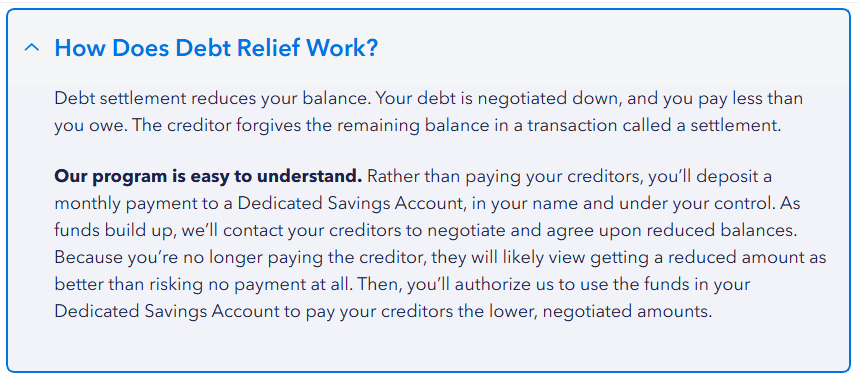
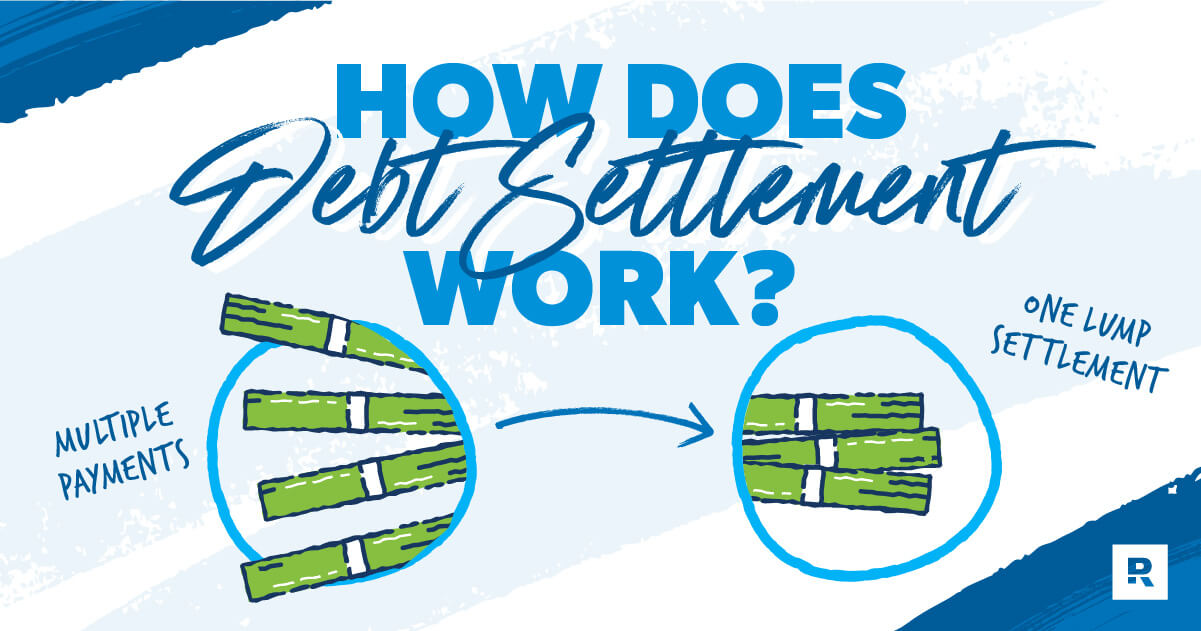
Financial debt forgiveness, sometimes called financial obligation settlement or "" less than complete balance"" programs, operates a simple facility: creditors approve repayment of less than the overall amount owed, forgiving the continuing to be balance. This technique varies fundamentally from financial obligation management strategies, where customers repay their complete principal with decreased rates of interest.
The process generally requires accounts to be significantly delinquent, normally 120 to 180 days unpaid. At this stage, lenders have actually commonly charged off the financial obligation and may like worked out negotiations over pursuing prolonged collection initiatives or taking the chance of complete loss through consumer bankruptcy filings.
Certified consumers collaborate with counseling agencies to discuss decreased balances, after that develop structured settlement strategies extending around 36 months. As soon as all concurred settlements complete, financial institutions forgive continuing to be quantities. Some companies, including APFSC and InCharge, deal details charge card financial obligation forgiveness programs structured around these timelines.
Financial obligation mercy lugs important considerations. Settled amounts typically influence credit report, though for customers already in default, this result might confirm marginal contrasted to continuous non-payment damages. Additionally, forgiven financial debt commonly makes up gross income under federal laws, potentially producing unforeseen tax obligation responsibilities.
Insolvency Therapy: Needed Steps and Offered Support
When financial debt situations surpass what negotiation or administration can resolve, insolvency gives lawful security and potential financial obligation discharge. Federal law mandates specific counseling demands for any individual pursuing this choice, producing chances for both education and treatment.
Pre-filing credit report counseling have to take place prior to sending insolvency documentation. These sessions review income, financial debts, and costs while checking out alternatives to filing. Lots of customers uncover through this process that financial obligation monitoring strategies or forgiveness programs could solve their scenarios without personal bankruptcy's long-lasting credit history ramifications.
Post-filing debtor education, called for prior to discharge, concentrates on budgeting abilities, debt rebuilding methods, and monetary monitoring techniques. Both courses usually take 60 to 90 mins and can be completed online, by telephone, or face to face with approved providers.
Organizations like APFSC, InCharge, and various NFCC member companies supply these required programs, usually billing small charges around $20 per session with waivers available for qualifying individuals. Completion creates certifications needed for court filings.
Contrasting Nonprofit Suppliers: What Differentiates Top Quality Solutions
Not all not-for-profit credit history counseling companies provide identical solutions or maintain equivalent relationships with lenders. Examining carriers calls for taking a look at several aspects beyond fundamental nonprofit condition.
Financial institution partnerships matter substantially. Agencies preserving partnerships with significant banks and bank card companies can typically work out much more favorable terms than more recent or smaller sized organizations. Established nonprofits usually work with establishments like Chase, Citi, Resources One, Discover, and Financial Institution of America, facilitating smoother enrollment and much better passion rate decreases.
Service breadth differs substantially. Some firms concentrate solely on financial debt management plans, while others use extensive alternatives consisting of debt mercy programs, insolvency therapy, real estate therapy, and specialty solutions for special scenarios like divorce-related debt or clinical bill arrangements.
The National Foundation for Credit history Counseling serves as an umbrella organization attaching consumers with licensed counselors across the country, giving one method for locating reputable local carriers. HUD-approved housing counseling companies, consisting of Credit.org with over half a century of operation, offer additional confirmation of business authenticity.
Certification via companies like the Council on Accreditation or subscription in the Financial Counseling Organization of America suggests adherence to market standards. Customer examines with systems like Trustpilot, Better Company Bureau rankings, and Google evaluations supply real-world responses regarding solution top quality and results.
Financial Debt Administration Program: The Happy Medium Alternative
In between financial obligation forgiveness and insolvency sits the financial obligation monitoring plan, commonly representing one of the most suitable solution for consumers who can keep organized repayments yet deal with high rates of interest.
Through these strategies, not-for-profit agencies negotiate with lenders to minimize interest prices, frequently dropping them to single figures from the 20-plus percent common on charge card. Late fees and over-limit costs typically get waived for registered accounts. Customers make solitary monthly settlements to the counseling firm, which distributes funds to creditors according to discussed terms.
Plans usually span 3 to five years, with ordinary conclusion around 40 months according to industry data. Unlike financial debt mercy, consumers settle their full principal, preserving credit extra effectively while still accomplishing meaningful savings through rate of interest reduction.
Qualification calls for showing ability to keep payments throughout the plan term. Accounts have to usually be closed upon registration, stopping added fee while settling existing balances. This compromise in between credit scores access and financial obligation resolution stands for an essential consideration for consumers evaluating options.
Red Flags and Caution Signs in Debt Alleviation
The financial obligation alleviation sector regrettably draws in predative operators together with reputable nonprofits. Acknowledging caution signs assists customers prevent services that may intensify their situations.
Upfront costs prior to solutions make represent a significant warning. Federal regulations prohibit financial obligation negotiation firms from billing fees until effectively working out negotiations and receiving at the very least one repayment toward the settled amount. Business requesting substantial payments before demonstrating outcomes most likely break these protections.
Guarantees of particular financial savings portions or promises to remove debt totally ought to cause apprehension. Legitimate therapists acknowledge that creditor participation differs and outcomes rely on individual circumstances. No firm can ensure financial institution participation or particular negotiation quantities.
Suggestions to stop paying creditors while building up funds for settlement creates substantial danger. This approach, typical amongst for-profit settlement business, creates additional late fees, passion charges, and prospective claims while harming credit rating further. Nonprofit firms generally prevent this technique.
Stress methods, limited-time offers, or hesitation to give written info concerning costs and services suggest troublesome operators. Reliable nonprofits give extensive descriptions, answer questions patiently, and enable customers time to make informed choices.
Tax Obligation Effects of Forgiven Financial Obligation
Consumers seeking debt mercy have to recognize potential tax repercussions. Under federal tax regulation, forgiven financial debt amounts exceeding $600 generally constitute gross income. Lenders report these total up to the internal revenue service via Type 1099-C, and consumers must report them on annual tax returns.
For somebody working out $30,000 in the red for $15,000, the forgiven $15,000 can increase gross income substantially, potentially producing unforeseen tax obligation liability. Consulting with tax obligation specialists prior to signing up in mercy programs aids customers get ready for these obligations.
Certain exceptions exist, consisting of bankruptcy provisions for consumers whose liabilities went beyond possessions at the time of forgiveness. Bankruptcy-discharged debt additionally receives various treatment. These complexities enhance the value of professional guidance throughout the financial obligation resolution procedure.
Making the Decision: Which Path Forward
Picking between financial obligation forgiveness, financial debt monitoring plans, and personal bankruptcy calls for honest assessment of individual situations. Several concerns direct this assessment.
Can you preserve organized settlements over 3 to five years? If of course, financial debt monitoring strategies maintain debt while reducing prices. If settlement capability is significantly limited, mercy programs or personal bankruptcy may prove better suited.
How overdue are your accounts? Financial obligation forgiveness usually requires considerable misbehavior, making it improper for consumers current on settlements who simply want relief from high rates of interest.
What are your lasting financial goals? Insolvency stays on credit score reports for 7 to 10 years, while resolved accounts impact scores for much shorter durations. Consumers preparing significant purchases like homes within several years might choose alternatives with less enduring credit score impacts.
Many nonprofit firms use complimentary first assessments, enabling exploration of alternatives without commitment. Making use of these sessions with multiple carriers helps customers understand available paths and make educated options about which organization and program best fits their demands.
The Course Toward Financial Healing
Overwhelming financial obligation develops stress and anxiety expanding far past monetary worries, influencing health, connections, and top quality of life. Understanding readily available alternatives stands for the essential first step towards resolution and eventual recovery.
Nonprofit credit rating therapy firms provide organized pathways towards financial debt alleviation, whether with monitoring strategies minimizing rate of interest while preserving full settlement, forgiveness programs working out financial debts for much less than owed, or personal bankruptcy counseling directing customers via lawful discharge processes.
Success needs honest economic assessment, careful provider examination, and commitment to whatever resolution plan emerges. The journey from financial dilemma to security takes time, but numerous customers have navigated it effectively with proper expert assistance.
Empowering Communities: The Impact of Financial Education Programs : APFSCFor those presently having a hard time under financial obligation problems, sources exist to aid. The challenge exists not in discovering support yet in finding the ideal help, properly matched to specific situations and goals. That matching procedure, carried out attentively with info collected from several resources, creates the structure for lasting monetary recovery.

Table of Contents
- – The Growing Demand for Financial Obligation Al...
- – Comprehending How Financial Debt Mercy In Fact...
- – Insolvency Therapy: Needed Steps and Offered S...
- – Contrasting Nonprofit Suppliers: What Differen...
- – Financial Debt Administration Program: The Hap...
- – Red Flags and Caution Signs in Debt Alleviation
- – Tax Obligation Effects of Forgiven Financial O...
- – Making the Decision: Which Path Forward
- – The Course Toward Financial Healing
Latest Posts
The smart Trick of How to Contact APFSC with Your Financial Recovery Process That Nobody is Discussing
A Biased View of Maintaining Post-Bankruptcy Budget That Lasts

Unknown Facts About How to Reach Online vs Phone Bankruptcy Counseling: Pros Experts Now
More
Latest Posts
The smart Trick of How to Contact APFSC with Your Financial Recovery Process That Nobody is Discussing
A Biased View of Maintaining Post-Bankruptcy Budget That Lasts
Unknown Facts About How to Reach Online vs Phone Bankruptcy Counseling: Pros Experts Now